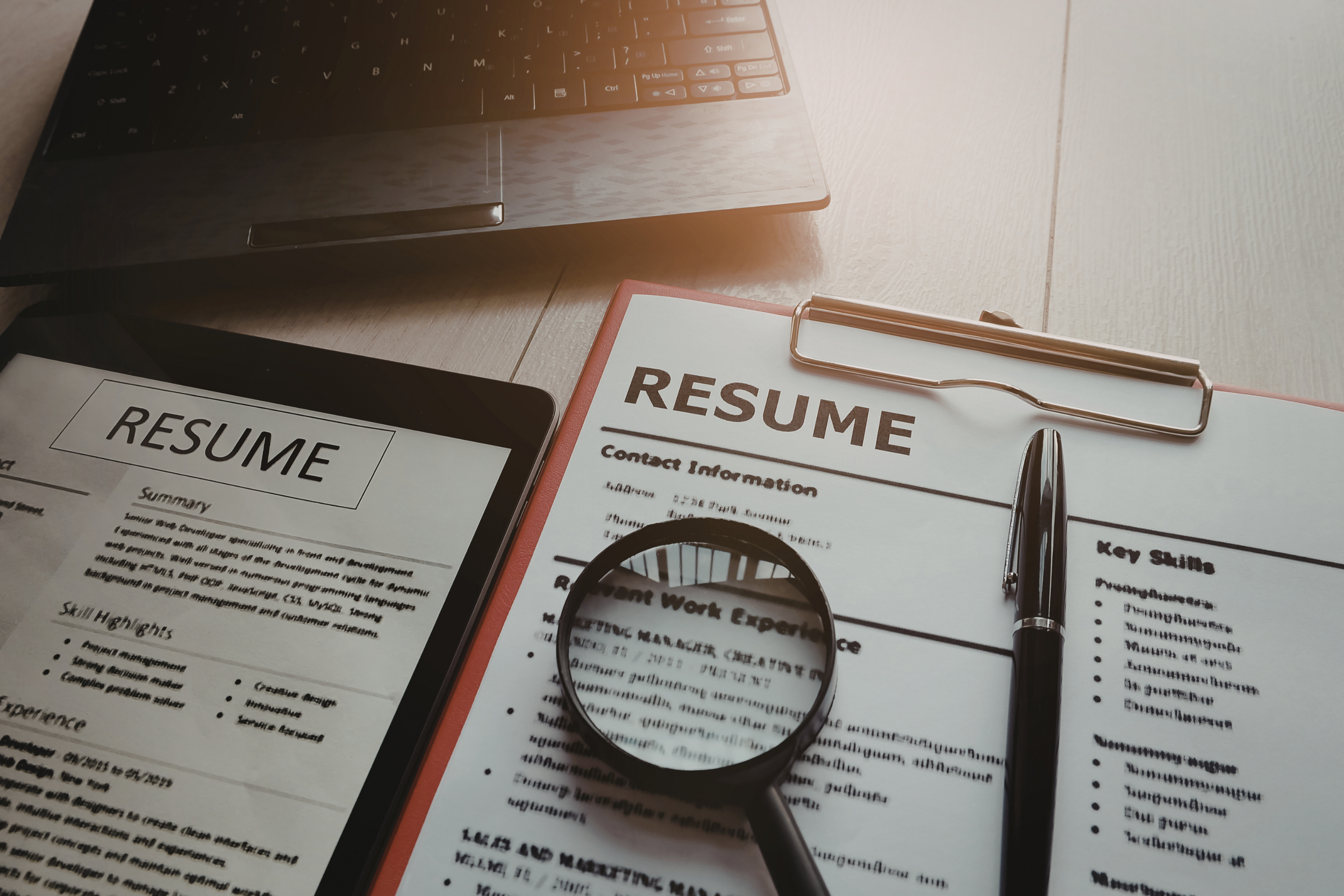
As summer winds down, recruiting activity often shifts, with employers opening new roles and restarting hiring processes after the summer months. So whether you're a recent college graduate starting your first job search or a young professional ready for your next opportunity, you want your resume to be ready to go.
If you’ve been applying to jobs as an early-career professional, you may have wondered why your resume isn’t getting any responses. The truth is, your resume might never even reach a human recruiter. Many companies use Applicant Tracking Systems (ATS)—AI-powered software that screens, ranks, and sometimes automatically filters out applications before anyone sets eyes on them. Understanding how ATS works can make the difference between a resume that gets ignored and one that opens doors.
If you’re just starting your career, you’ve probably heard conflicting advice: some say cover letters are dead, while others insist they’re essential. The truth? For early-career candidates, cover letters are more alive—and more important—than ever. While your resume shows what you’ve done, your cover letter tells the story of who you are, why you’re motivated, and how you fit the role.
In today’s digital world, AI can generate a polished resume in seconds. For early-career candidates, this promise of speed and ease is tempting, especially if you’re unsure how to frame internships, projects, or part-time experience. But just because AI can write a resume doesn’t mean it’s the best option. Without strategy, context, and a human touch, your AI-generated resume may fail to capture what truly makes you stand out.
For years, job applications revolved around degrees, titles, and years of experience. But that’s changing fast. Today’s employers care less about where you learned something and more about what you learned and can do with it.